4 Aug 2024 · 6 min read
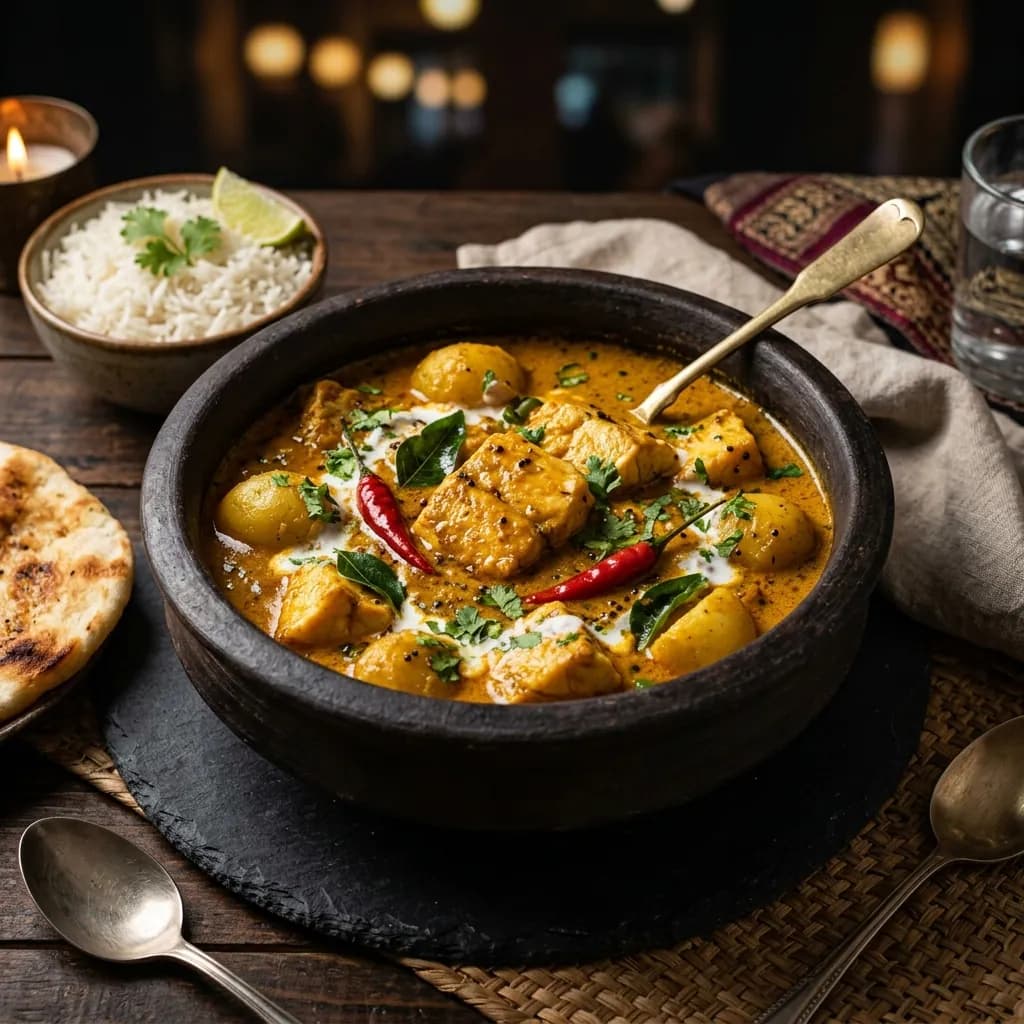
Restaurant Style Goan Prawns Curry
Learn how to make this classic coastal curry with fresh coconut and aromatic spices at home.
Read More →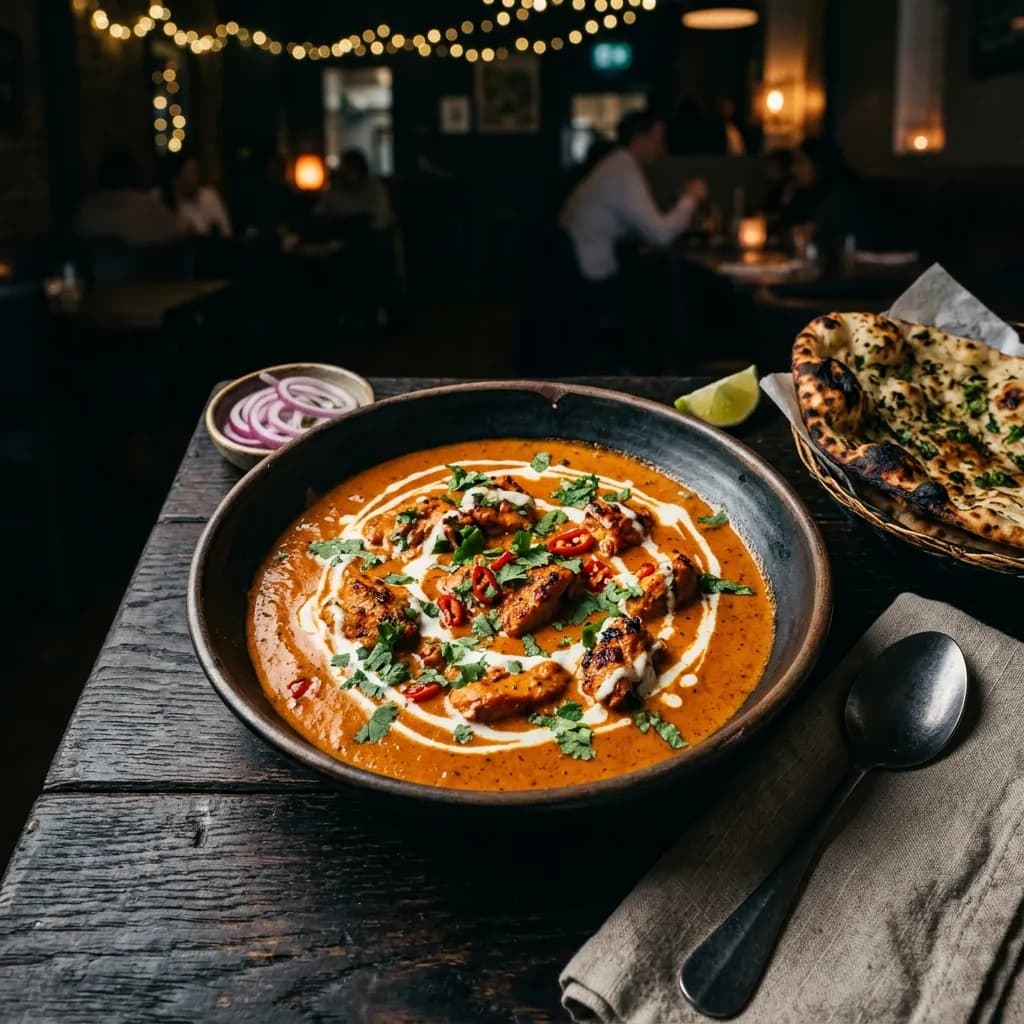
Butter chicken, known in India as Murgh Makhani, is arguably the most recognised Indian dish in the world. It is a staple on menus from Leeds to Los Angeles, yet remarkably few versions outside India capture the full depth of the original. At Bombay 2 Goa, we have spent years refining our recipe to bring you a butter chicken that honours the dish's roots while delivering the rich, velvety experience that keeps diners coming back again and again.
The story of butter chicken begins in Delhi in the 1950s, at a restaurant called Moti Mahal in the Daryaganj neighbourhood. The restaurant was run by Kundan Lal Gujral, a Punjabi chef who had already made his name with tandoori chicken. According to the most widely accepted account, butter chicken was born out of practicality. Leftover tandoori chicken was added to a sauce of tomatoes, butter, and cream to moisten the meat and make it easier to serve the next day. Customers loved it, and what began as a resourceful solution became one of the defining dishes of modern Indian cuisine.
Moti Mahal's legacy is enormous. The restaurant is credited not just with popularising butter chicken but also with helping to bring tandoor cooking to a wider audience. The combination of charred, smoky tandoor-cooked meat with a smooth, sweetly spiced tomato and cream gravy proved irresistible, and within a few decades the dish had spread around the world.
The secret to an exceptional butter chicken lies in three things: the quality of the tomato base, the char on the chicken, and the butter itself. Shortcuts in any of these areas produce a dish that is fine but forgettable.
The tomato base needs time. We start by charring whole tomatoes directly over a flame, which adds a subtle smokiness that cannot be replicated any other way. The charred tomatoes are then slow-cooked with ginger, garlic, and a restrained selection of whole spices including green cardamom, a single cinnamon stick, and a couple of cloves. We avoid loading the base with too many spices at this stage. Butter chicken is, at its heart, a delicate and rounded dish. It should be aromatic, not aggressively spiced.
The chicken must spend time in the tandoor or under a very hot grill. The high heat caramelises the surface of the marinade and creates those characteristic blackened edges. When the tandoor-cooked chicken pieces are added to the gravy, they bring that smokiness with them, and it transforms the final dish.
The butter goes in at the very end, off the heat. Cold butter, cut into cubes and whisked into the warm sauce, creates a glossy, emulsified finish. It is a classic technique applied to an Indian dish, and it works beautifully.
Our version uses double cream alongside the butter, which gives the gravy a particularly silky texture. We also add a small amount of honey rather than sugar to balance the acidity of the tomatoes. The difference is subtle, but honey rounds off the sweetness in a way that white sugar does not.
We marinate our chicken overnight in a first marinade of lemon juice and salt, then again in a yoghurt-based marinade with ginger-garlic paste, Kashmiri chilli powder, garam masala, and a little mustard oil. The two-stage marinade produces chicken that is fully flavoured all the way through, not just on the surface.
Begin with your chicken. Cut 600 grams of boneless chicken thighs into large pieces and marinate overnight in yoghurt mixed with ginger-garlic paste, Kashmiri chilli powder, garam masala, salt, and a squeeze of lemon. Thighs are better than breast meat here because they stay moist under the high heat of the grill.
Grill the marinated chicken on the highest setting of your oven grill, turning once, until you get some charred patches. This usually takes 10 to 12 minutes total. Set the chicken aside to rest while you make the sauce.
For the sauce, blitz together four large vine tomatoes, a small onion, four cloves of garlic, and a thumb-sized piece of ginger. Cook this blended mixture in a wide pan with two tablespoons of oil for 20 to 25 minutes over medium heat, stirring regularly, until the raw tomato smell has completely gone and the paste has deepened in colour. Add a teaspoon each of coriander powder and Kashmiri chilli powder, half a teaspoon of garam masala, and a tablespoon of honey. Cook for another 3 minutes.
Add 150 millilitres of double cream and 100 millilitres of water. Stir well and bring to a gentle simmer. Blend the sauce smooth using a hand blender, then pass it through a fine-mesh sieve for a silky, restaurant-style finish.
Return the sieved sauce to the pan, add the grilled chicken pieces, and simmer gently for 8 minutes. Remove from the heat and stir in 40 grams of cold, unsalted butter cut into small cubes, one at a time, whisking gently as each piece melts in. Taste and adjust the salt.
Serve with warm garlic naan and a scatter of fresh coriander. A small dish of sliced raw onions and a wedge of lemon alongside cuts through the richness of the sauce and cleanses the palate between bites. Basmati rice is equally good, especially if you want to enjoy every last drop of the gravy.
This is comfort food at its finest, and it is deeply worth the effort. At Bombay 2 Goa, butter chicken is consistently one of our top-selling dishes, ordered by regulars and first-timers alike. We think of it as the perfect introduction to what Indian cooking can be at its best: complex, layered, and utterly satisfying. We hope this recipe brings a little of that warmth into your kitchen.
4 Aug 2024 · 6 min read
Learn how to make this classic coastal curry with fresh coconut and aromatic spices at home.
Read More →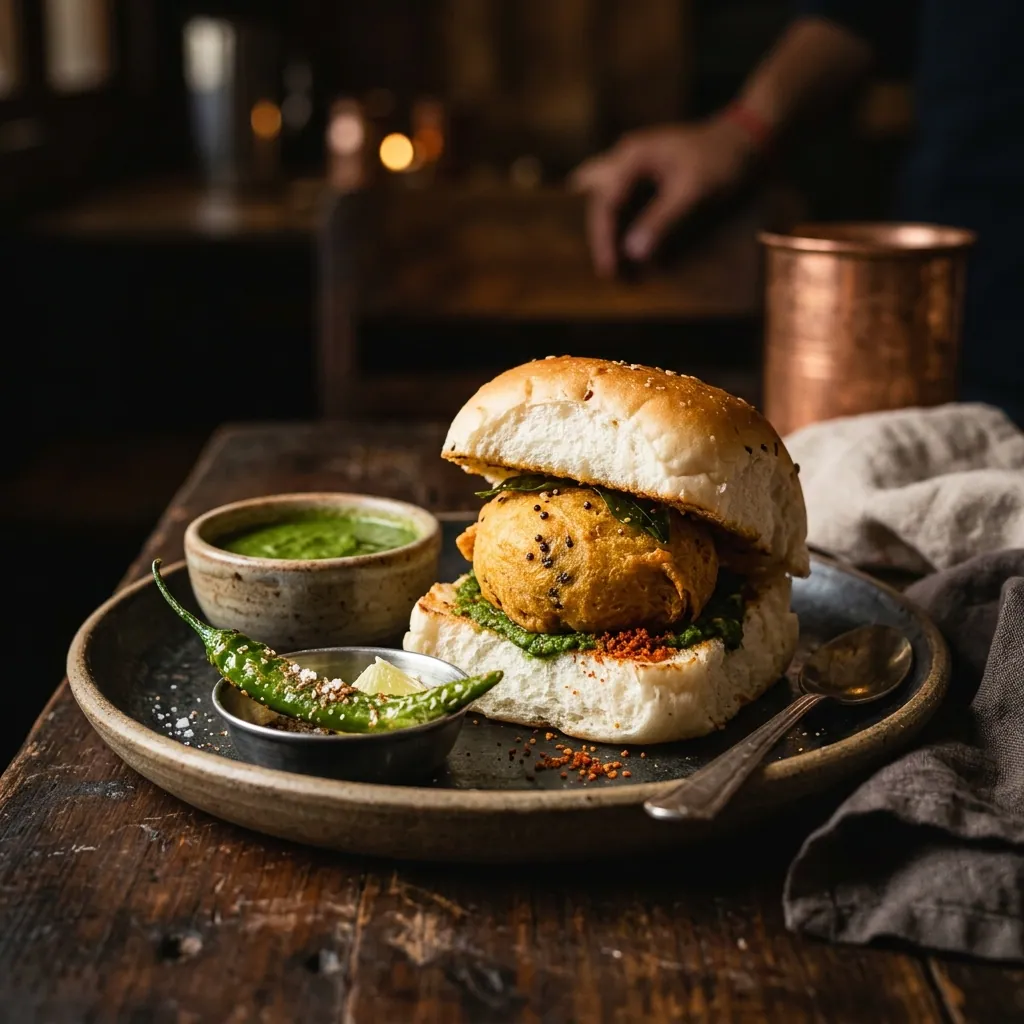
15 Jun 2024 · 5 min read
How the vibrant street food scene of Mumbai inspired our menu and brought authentic flavours to Yorkshire.
Read More →