4 Aug 2024 · 6 min read
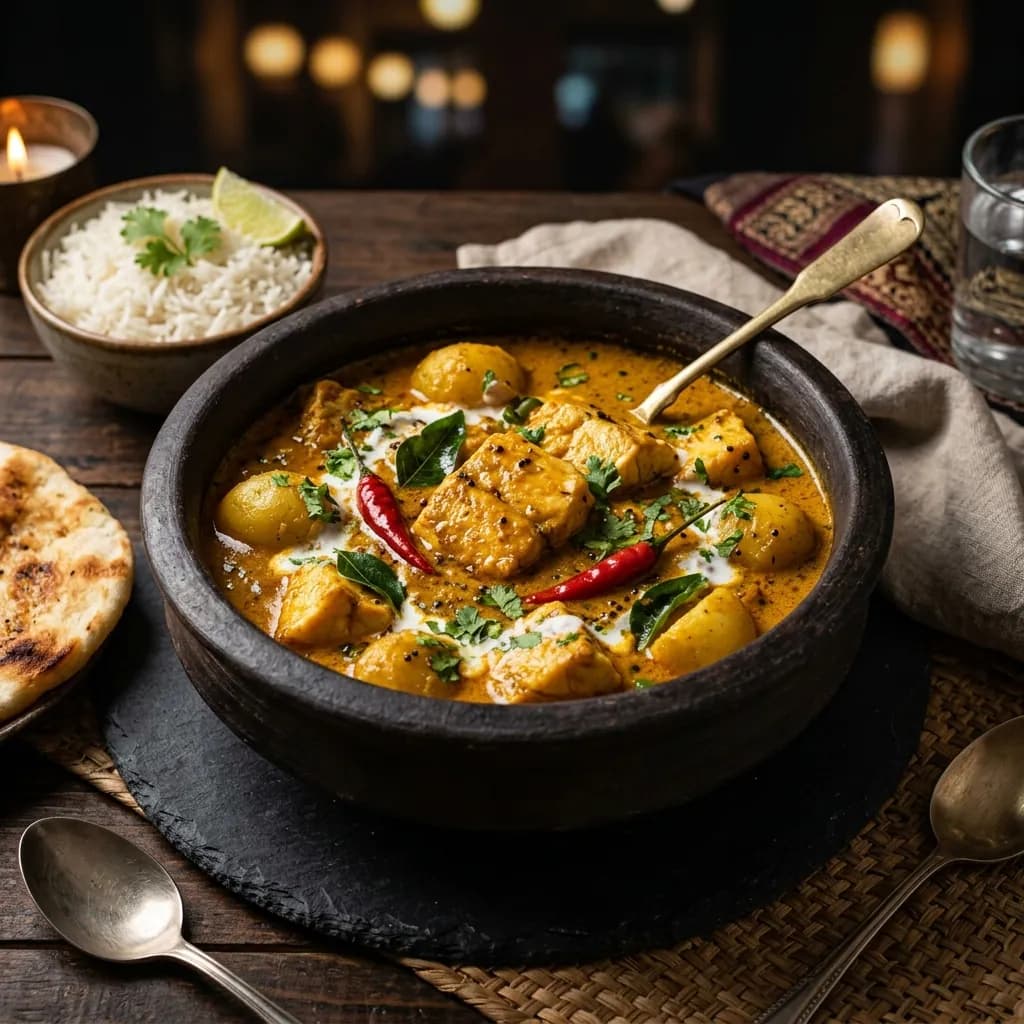
Restaurant Style Goan Prawns Curry
Learn how to make this classic coastal curry with fresh coconut and aromatic spices at home.
Read More →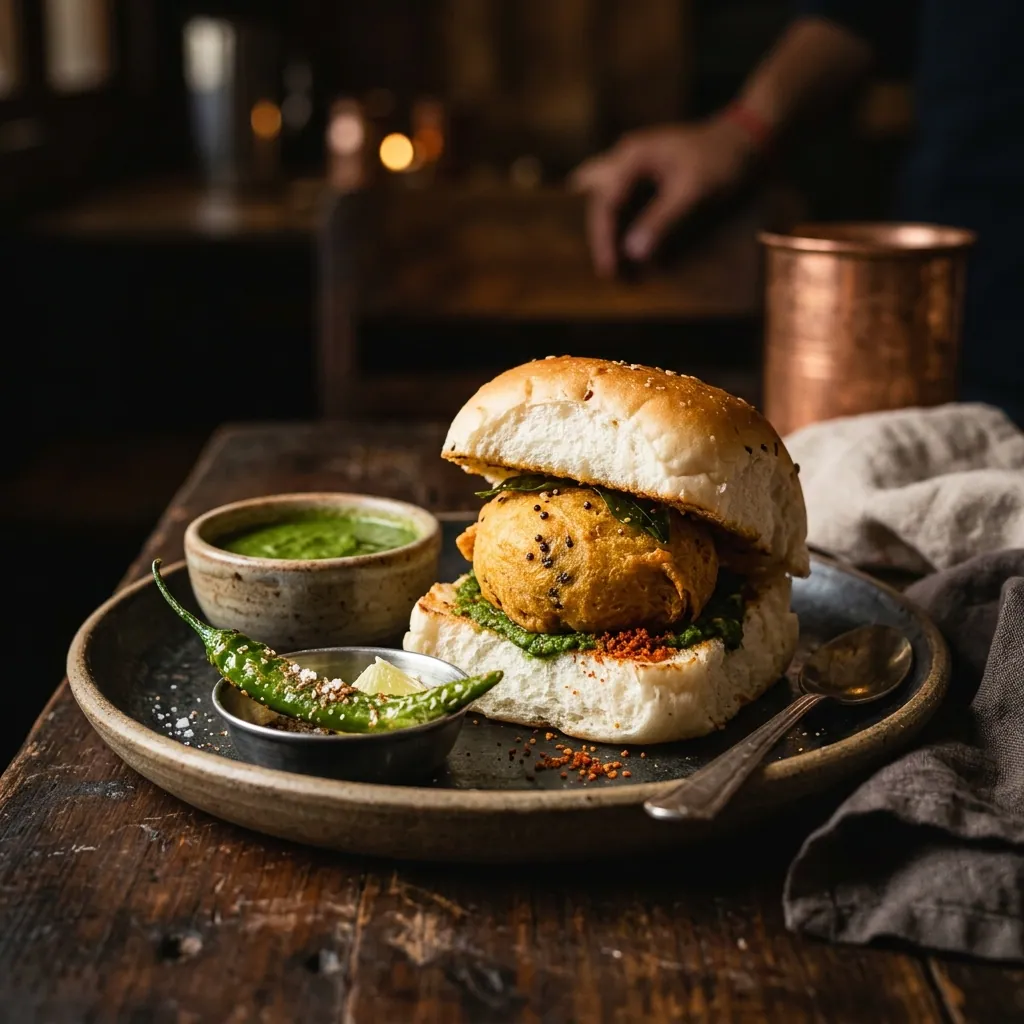
There is no food culture on earth quite like Mumbai's streets. From the early morning Vada Pav stalls setting up outside train stations to the late-night Pav Bhaji griddles sizzling along Juhu Beach, the city feeds itself in the open air, communally and constantly. When the team behind Bombay 2 Goa decided to bring authentic Indian flavours to Headingley in Leeds, it was this vibrant, irreverent street food culture that they wanted to honour most.
Mumbai is a city of around 20 million people, and a huge proportion of them eat at least one meal a day from a street vendor. The sheer variety is extraordinary. In one hundred metres of pavement you might find a Bhel Puri cart, a Cutting Chai stall, a Pani Puri vendor balancing dozens of tiny crispy shells, and a Frankies roll stand doing a roaring trade during the lunch rush. Each vendor typically specialises in one or two dishes and perfects them over years of practice.
This is very different from the Western concept of street food as a trendy alternative to restaurants. In Mumbai, street food is not a novelty. It is the default. It is what people eat every day, and it carries enormous cultural weight. Certain dishes are tied to specific neighbourhoods, particular times of day, or specific communities. Getting the best Vada Pav in the city means knowing exactly which stall to visit outside Dadar station. The best Pav Bhaji might require a long queue at a well-known spot in Tardeo. Knowledge of where to eat is a social currency in Mumbai.
If Mumbai has a civic dish, it is the Vada Pav. Invented in 1966 by a visionary street vendor outside Dadar railway station, it was designed as an affordable, filling meal for the working class. A spiced potato fritter encased in gram flour batter, fried until crisp, and stuffed into a soft white bread roll with a smear of tamarind and green coriander chutney. Simple, cheap, fast, and remarkably satisfying.
Today the Vada Pav is sold by tens of thousands of vendors across Maharashtra and beyond. There are specialist chains, famous regional variations, and fierce debates about who makes the best version. At Bombay 2 Goa, we make ours as close to the original as possible. The potato filling is seasoned with mustard seeds, curry leaves, turmeric, and fresh green chilli. The batter is light and crisp. The pav is soft. The chutneys are made fresh each day. It is one of our best-selling dishes, and it is the dish that most clearly signals our commitment to authenticity.
Few Indian street food experiences are as purely joyful as eating Pani Puri. The ritual is specific: a vendor hands you a hollow crispy puri, you fill it yourself with spiced potato and chickpeas, then dunk it in the spiced, tangy water and eat it whole in one bite. It is impossible to eat Pani Puri while looking sophisticated. The water drips, the puri sometimes cracks before you can get it to your mouth, and the whole experience forces you into an immediate, unselfconscious enjoyment of food.
At Bombay 2 Goa, we serve our Pani Puri with both the traditional tamarind water and a mint and green chilli variant. The contrast between the sweet-sour tamarind and the sharp, herby green version makes each round an exercise in small but genuine pleasure. We find that tables ordering Pani Puri always get louder and more animated. That is exactly the point.
Chaat, as a category of Indian street food, is defined by its layering. The word itself comes from a Hindi verb meaning to lick, and a great chaat should be compelling enough to make you want to do exactly that. Samosa Chaat is one of the most popular varieties: a crushed samosa buried under chickpea curry, sweet tamarind chutney, mint chutney, whipped yoghurt, pomegranate seeds, and a generous shower of crispy sev. It is a dish with at least five distinct textures and four distinct flavour notes happening simultaneously.
We make ours with our own hand-rolled samosas, which means the pastry is genuinely flaky rather than the thick, doughy pastry common in shortcut versions. The chickpea curry underneath is spiced with amchur, a dried mango powder that lends it a distinctive sourness. The result is a dish that looks spectacular and tastes even better.
Bringing Mumbai street food to Headingley involved some practical adaptations. Fresh coconut, specific regional chillies, and certain vegetables that are commonplace in Indian markets require careful sourcing in Yorkshire. We have worked with trusted suppliers across the UK and have established direct relationships with importers who understand what we need and why quality matters. Corners are not cut. If an ingredient is not right, the dish waits.
But beyond the ingredients, what we have really tried to bring from Mumbai is the attitude. Street food is generous, unpretentious, and honest. It does not need elaborate presentation or lengthy menu descriptions. It needs to taste exactly as good as it should, every single time. That is what we aim for with every plate that leaves our kitchen, whether it is a quick lunch order or a full table sitting down for the evening.
Mumbai feeds millions of people every day with this spirit of open, joyful, honest cooking. We are proud to carry a little piece of it to Leeds. If you have never tried authentic Mumbai street food, we hope your first visit to Bombay 2 Goa changes that. Come hungry, come curious, and leave having discovered why this food has captured the hearts of so many people across the world.
4 Aug 2024 · 6 min read
Learn how to make this classic coastal curry with fresh coconut and aromatic spices at home.
Read More →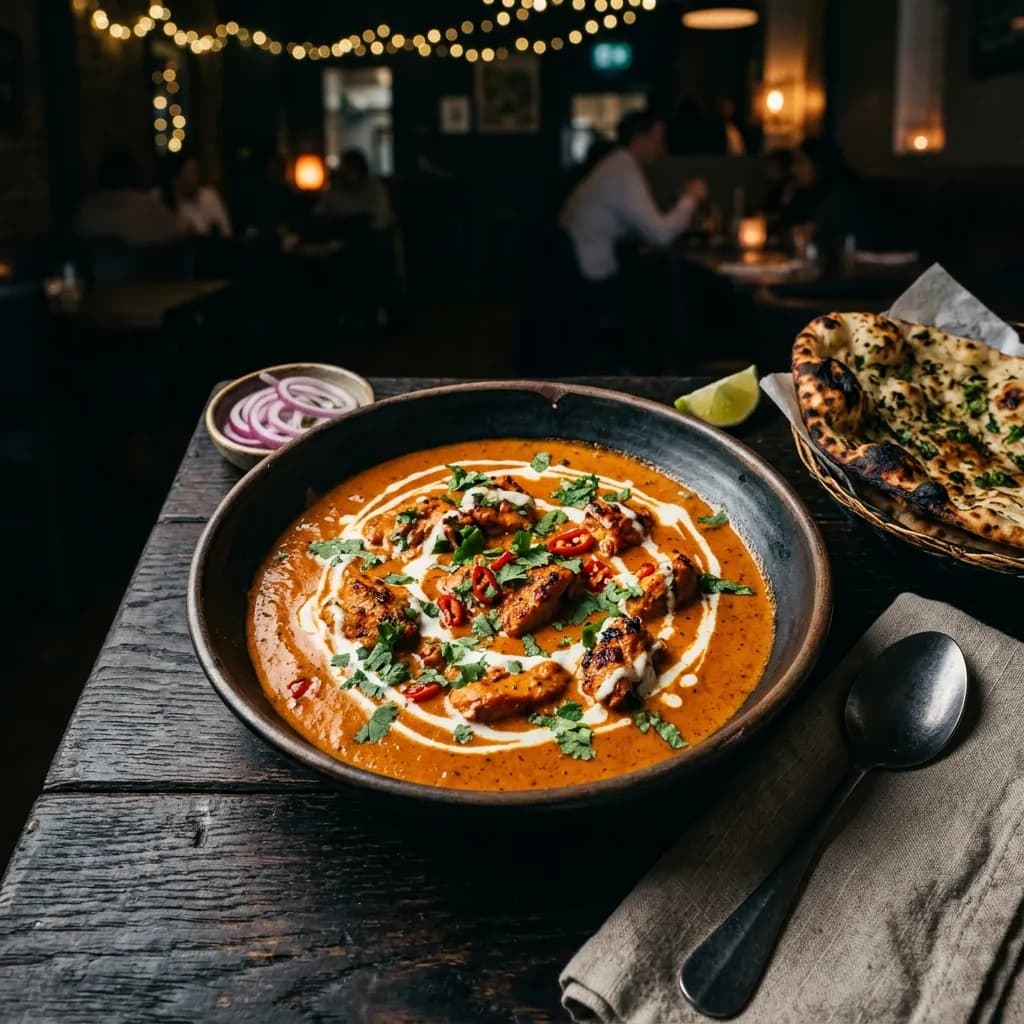
12 Jul 2024 · 7 min read
Our chef shares the secret behind Bombay 2 Goa's signature butter chicken - rich, creamy, unforgettable.
Read More →